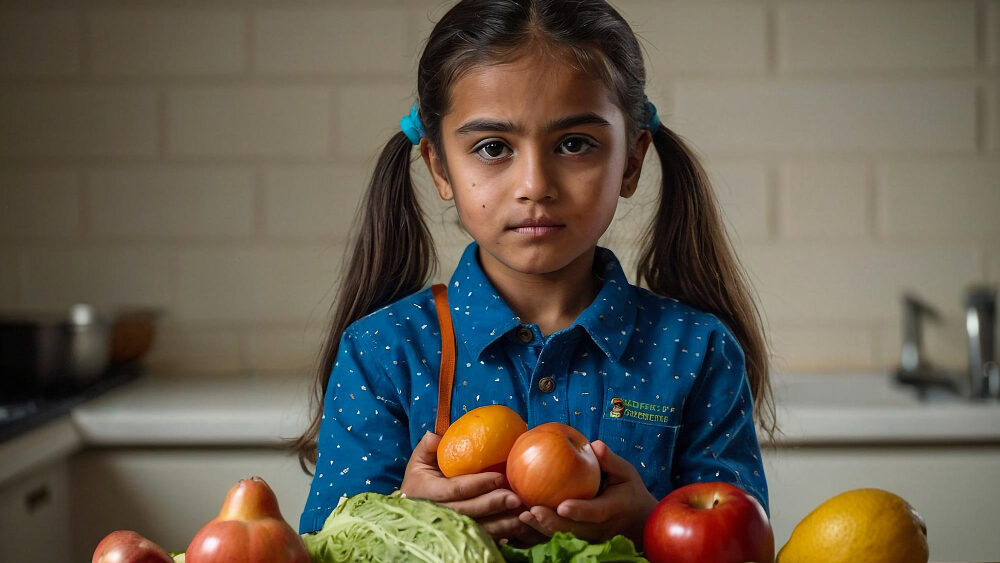
The plate may be identical. What the body needs from it rarely is. This National Nutrition Week, why nutrition care has to move beyond diet charts — and start with the individual.
Nutrition is fundamental to health. It influences growth and development, energy, immunity, cognitive and physical function, disease risk, response to treatment, and recovery.
Yet nutrition is often reduced to a simple question: What should I eat?
The more important question is: What does this individual need?
Because there is no single diet that is appropriate for every person, at every stage of life, or in every state of health. A growing child, a pregnant woman, an older adult, an athlete, an individual managing diabetes, a person with kidney disease, and a patient recovering from major illness may all require very different nutritional approaches.
The food may be similar. The nutritional requirements are not.
Nutrition is not relevant only when disease develops. It is part of the entire health continuum — from everyday wellbeing and prevention to chronic disease management, clinical care and recovery.
Adequate nutrition supports the body’s fundamental functions every day: energy production, muscle maintenance, immune function, cognitive performance and overall wellbeing. Over time, dietary patterns can influence the risk of conditions such as diabetes, cardiovascular disease and obesity. Once disease is established, nutrition can become an important component of its management.
In more complex clinical settings — including kidney disease, gastrointestinal disorders, cancer, surgery, hospitalization and critical illness — nutrition may require a much more specialized approach.
This progression can be summarized simply:
At every stage, the goal is different. Therefore, the nutrition strategy must evolve with the individual.
India’s nutrition landscape is particularly complex. Undernutrition, micronutrient deficiencies, overweight and obesity, and diet-related noncommunicable diseases coexist across populations and, in some cases, within the same communities and households.
of India’s disease burden is linked to unhealthy diets, per ICMR’s National Institute of Nutrition 1
of children in India are anaemic — even as obesity rises in parallel 2
This means that the challenge is not simply about encouraging people to “eat healthy.” It is about helping individuals understand what constitutes appropriate nutrition for their age, health status, lifestyle, culture and circumstances.
The ICMR-NIN Dietary Guidelines for Indians 2024 emphasize dietary diversity, adequacy, moderation, food safety and appropriate food choices within the Indian context.1 Nutrition education, therefore, must go beyond generic advice and move toward practical, individualized and evidence-informed nutrition care.
Consider a traditional Indian meal of dal, vegetables, roti, rice, curd and salad.
For one person, this may represent a balanced meal.
For another, portions or composition may need to be modified for metabolic health — partly because Asian Indian bodies tend to carry more visceral fat at the same body weight than Western populations do. It’s why India uses its own, lower BMI cut-offs (23 kg/m² for overweight, 25 kg/m² for obesity) rather than global thresholds built from European data.3
For someone with kidney disease, protein, sodium, potassium, phosphorus or fluid requirements may need consideration. For an individual recovering from illness or surgery, maintaining adequate protein and energy may become a priority.
Nutritional requirements are influenced by a wide range of individual factors:
This is why nutrition cannot be reduced to calories, individual “good” or “bad” foods, or a standardized meal plan.
Effective nutrition care begins with assessment. A qualified dietitian considers the individual’s medical and nutritional history, dietary intake, clinical information, medications, symptoms, lifestyle, goals and practical barriers before developing an intervention.
The process continues beyond the initial recommendation:
This is especially important in clinical nutrition, where requirements can change as disease progresses, treatment changes, or the individual moves from illness to recovery. A nutrition plan should therefore be viewed not as a static prescription, but as part of an ongoing care process.
At NutriClinics, we believe nutrition deserves to be recognized as an integral component of healthcare.
Our approach moves beyond standardized diet charts to support evidence-informed, individualized nutrition care based on the individual’s health status, nutritional needs, lifestyle and goals. NutriClinics brings this approach across the health continuum — from preventive nutrition and metabolic health to condition-specific and complex clinical nutrition.
The focus is not simply on providing a diet. It is on helping nutrition professionals deliver structured care through assessment, individualized intervention, monitoring and ongoing refinement. Because nutritional needs are dynamic, nutrition care must be dynamic as well.
Healthcare is increasingly moving toward prevention, personalization, multidisciplinary care and long-term management of health. Nutrition belongs within that framework.
It belongs before disease develops, when appropriate nutrition can support health and reduce risk. It belongs alongside medical care when disease is diagnosed. It belongs during treatment, when maintaining nutritional status and physical function may become particularly important. And it belongs during recovery, when the body needs adequate nourishment to rebuild strength and function.
Nutrition does not replace medical treatment. But neither should it be treated as an optional extra. The food we consume provides the nutrients and energy required for the body to function, adapt and recover.
This National Nutrition Week, perhaps it is time to move beyond asking, “What is the healthiest diet?” — and instead ask, “What nutrition does this person need, at this point in their life, given their health, their body and their goals?” That is the foundation of personalized nutrition care.
This National Nutrition Week, let us recognize nutrition for what it truly is: not simply food, not simply a diet, but an essential component of health and healthcare. NutriClinics is committed to advancing evidence-informed, individualized nutrition care — making nutrition an integral part of the health journey.
📞 Talk to a Qualified Nutritionist at NutriClinics today — because the same plate can call for a very different prescription.