
Nearly 1 in 3 deaths worldwide is caused by heart disease. Why what’s on your plate matters as much as what’s in your medicine cabinet.
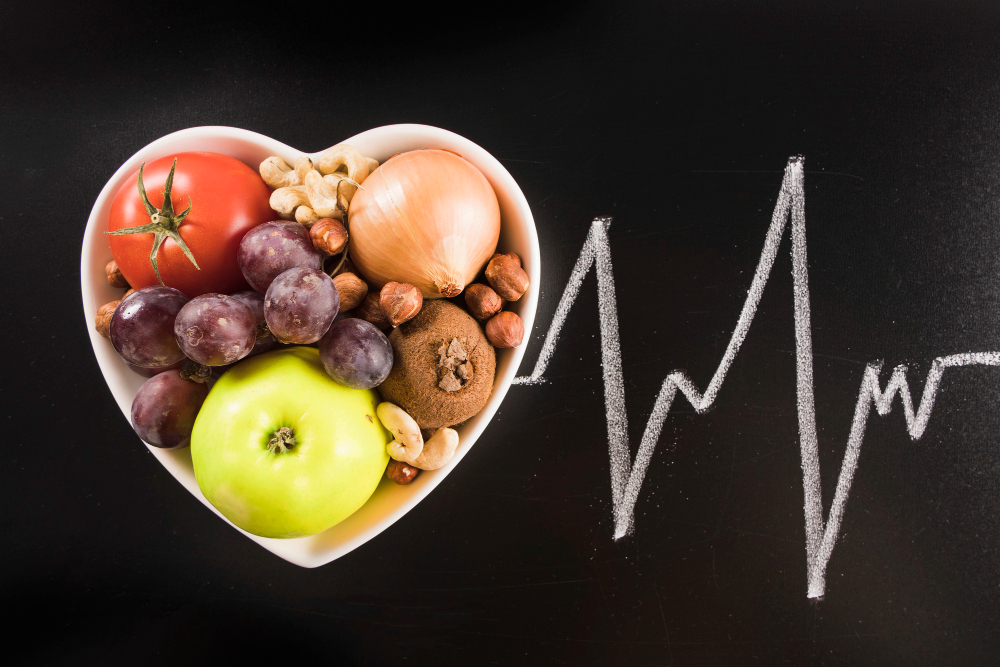
Heart health conversations tend to jump straight to medication — statins, blood pressure tablets, aspirin. Diet is mentioned, but rarely explained in a way that’s actually usable at the dinner table.
This is where clinical nutrition comes in. It isn’t about cutting out entire food groups overnight — it’s about using evidence-based eating patterns to lower cholesterol, manage blood pressure, and protect the heart over time.
of all global deaths in 2022 were caused by cardiovascular disease ¹
average drop in systolic blood pressure with the DASH diet ³
Cardiovascular disease remains the leading cause of death globally, and most of it traces back to a small set of controllable risk factors — high blood pressure, high cholesterol, obesity, and an unhealthy diet among them.¹ Diabetes and smoking add further strain. What connects almost all of these is that diet directly influences them, for better or worse.
“Eat healthy. Cut down on salt.” It’s well-meaning advice. But it often isn’t enough.
Clinical nutrition goes further — using structured, evidence-based eating patterns rather than vague direction. The WHO and CDC both recommend dietary change as a frontline strategy for heart disease prevention, not just a supporting one.² The gap isn’t in the guidance itself; it’s in how rarely it’s translated into a plan someone can actually follow, meal by meal.
The DASH diet — rich in fruits, vegetables, whole grains, and low-fat dairy, and low in salt and red meat — has been shown across 17 randomised trials to meaningfully lower blood pressure.³ The Mediterranean diet, built around olive oil, fish, nuts, and vegetables, and plant-forward diets rich in beans and legumes, follow a similar principle: more fibre, more healthy fats, less processed food.
Fruits & Vegetables | Fresh or frozen, eaten daily; rich in fibre, potassium, and antioxidants that support healthy blood pressure. |
Whole Grains | Oats, brown rice, whole wheat — help lower LDL (“bad”) cholesterol over time. |
Lean Proteins | Fish, beans, lentils, skinless poultry — favoured over red and processed meats. |
Healthy Fats | Olive oil, nuts, seeds, avocado — replace trans fats and fried foods. |
Foods to Limit | Processed meats, high-salt packaged foods, sugary drinks, and baked goods high in trans fats. |
Small Swaps | Nuts instead of chips, herbs instead of salt, water instead of sugary drinks. |
At NutriClinics, we believe managing heart health deserves more than a generic “eat clean” instruction. Our Qualified Nutritionists provide evidence-based nutrition care that’s personalised, practical, and built around your real, everyday life.
🔬 Detailed dietary and risk-factor assessment
🥗 Fully personalised meal plans based on DASH and Mediterranean principles
🍛 Indian food-based recommendations — practical for everyday life
⚖️ Cholesterol and blood pressure tracking over time
🤝 Direct collaboration with your cardiologist whenever needed
World Health Organization. Cardiovascular Diseases (CVDs) Fact Sheet, 2025.
Centers for Disease Control and Prevention (CDC). Heart Disease Prevention.
Siervo M, et al. Effects of the Dietary Approach to Stop Hypertension (DASH) diet on blood pressure: a systematic review and meta-analysis. British Journal of Nutrition, 2015.
👉 Book your heart-health nutrition consultation at NutriClinics today — because your heart deserves more than a generic diet chart.