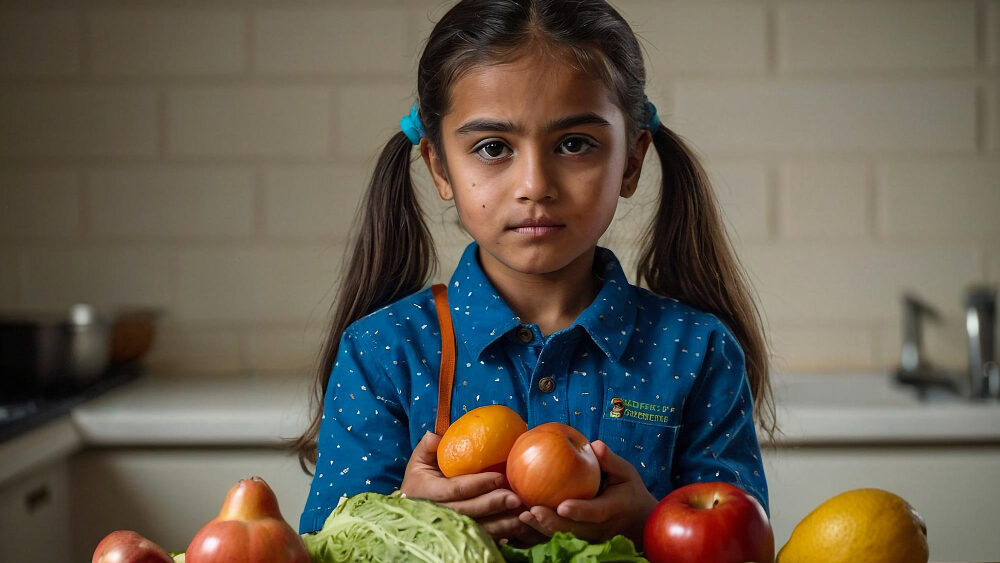
Nearly 80% of cancer patients face malnutrition during treatment. Why nutrition belongs beside the protocol, not after it.

Cancer is far more than a disease of unruly cells.
It is a metabolic disruptor. It reshapes how the body consumes energy, safeguards muscle, absorbs nutrients, and negotiates inflammation. By the time, the first infusion is administered, the biochemistry of appetite, taste, and immunity has often already been unsettled.
Then, therapy enters — pressing its own demands onto a system that is already carrying more than its share.
The European Society for Clinical Nutrition and Metabolism (ESPEN, 2021) estimates that nearly 80% of cancer patients encounter some form of clinical malnutrition during their treatment window.
A 2023 review in Frontiers in Nutrition offered an even more sobering revelation — up to one in five cancer-related deaths are attributable not to disease progression, but to cachexia and its slow, quiet cascade.
The tumor may open the door.
The wasting is often what escorts the patient out.
of cancer patients encounter clinical malnutrition during treatment 1
cancer-related deaths are attributable to cachexia, not progression 2
Contemporary oncology is a study in precision.
Tumors are profiled at the molecular level. Treatments are selected with genetic finesse. Surgeries unfold with a technical elegance that would have felt aspirational only a generation ago.
And yet, somewhere between the imaging suites and the infusion chairs, an essential part of the patient’s story quietly slips out of view.
The body itself begins to yield.
Weight drifts downward without effort. Familiar dishes lose their character on the tongue. Fatigue lingers, no longer a symptom but a companion. Nausea, mucositis, and diminished appetite steadily replace the ordinary rhythm of eating.
Then arrives the moment no one anticipates — the oncologist withholds the next cycle. Not because the disease has progressed, but because the body, worn thin, is no longer able to endure the therapy meant to heal it.
This is not an outlier. It is a pattern etched across oncology wards, day after day.
And through most of it, the one intervention capable of altering this trajectory remains conspicuously absent from the conversation.
Clinical nutrition.
Cancer medicine has evolved more in the past decade than in the fifty years before it.
Immunotherapy has reshaped survival curves. Targeted therapies have replaced blunt-force regimens. Robotic surgery has redefined recovery timelines.
And yet, when it comes to nutrition, the counsel most patients receive rarely evolves beyond a single line:
“Eat well. Take protein. Stay hydrated.”
The sentiment is generous. The clinical impact is negligible.
Global authorities — ASCO (2020), NCCN (2023), and ESPEN (2021) — formally endorse a vastly different approach: nutritional screening at the point of diagnosis, individualized calorie and protein prescriptions, and a survivorship nutrition strategy built to lower recurrence risk.
The science is clear.
The clinical follow-through, sadly, is not.
The tumor may open the door. The wasting is often what escorts the patient out.
Consider the moment that quietly reshapes every cancer patient’s journey.
The diagnosis is delivered. The treatment plan is set. The medicines are prescribed.
And then, floating somewhere just beneath the surface, arrives the question no printed sheet can answer:
“So — what should I be eating now?”
That question is where clinical nutrition begins.
Not as a wellness accessory. Not as a diet chart. But as the second half of the treatment plan itself.
Because a prescription addresses the disease. Nutrition sustains the person carrying it.
And here lies the truth patients discover far too late:
Clinical nutrition is not a leaflet. It is not a list of "safe foods." It is not a wellness ritual borrowed from someone else's recovery story. It is a fully individualized medical intervention — shaped by cancer type, treatment protocol, comorbidities, nutritional status, and the specific phase of care the patient occupies. Cancer never behaves identically in two people. Nutrition, when it is done right, cannot afford too either.
Cancer unfolds in distinct phases — and nutrition must evolve alongside it.
Each phase carries its own biology, its own risks, and its own clinical priorities. A patient at diagnosis requires something entirely different from one mid-therapy, and different still from one deep in survivorship.
Stage | Nutritional Priority |
At Diagnosis | Identify deficiencies, correct imbalances, and safeguard lean muscle mass before treatment begins |
Prehabilitation | Build protein reserves, strengthen immunity, and stabilize glycemic control to enhance treatment tolerance |
During Chemotherapy | Manage nausea, mucositis, and taste alterations while protecting weight, muscle, and immune function |
During Radiation | Preserve calorie and protein intake; prevent radiation-induced malnutrition and dehydration |
Post-Surgery | Support wound healing, temper inflammation, and reduce the risk of postoperative infections |
Immunotherapy / Targeted Therapy | Address gastrointestinal side effects, respond to metabolic shifts, and preserve quality of life |
Survivorship | Support long-term weight, bone, and cardiovascular health; reduce recurrence risk through structured lifestyle nutrition |
Palliative Care | Prioritize comfort, symptom relief, dignity, and quality of life |
Every stage brings its own science.
Which is why oncology nutrition cannot be a static prescription — it must move with the patient.
When cancer nutrition is guided by a Qualified Nutritionist, it ceases to be lifestyle counsel.
It becomes therapy in its own right.
Yet behind these numbers lies something far more human — patients who complete their protocols, avoid unplanned hospitalizations, recover faster from surgery, and step into survivorship with strength that hasn’t been quietly eroded.
Nutrition does not sit at the periphery of cancer care.
It shapes what cancer care can ultimately achieve.
Cancer treatment does not end at the prescription.
That is where NutriClinics begins.
Our Qualified Nutritionists — trained specifically in oncology nutrition — walk alongside your oncologist, translating clinical protocols into a nutrition plan built for your reality.
At NutriClinics, nutrition evolves with your diagnosis, adapts to your treatment, and stays with you through every phase of recovery.
Because progress begins with personalized care.
Cancer treatment is heavy. Emotionally. Physically. Financially.
Amid all of it, one intervention remains quietly available — well-researched, low-risk, and consistently transformative when applied with expertise.
Clinical nutrition.
Not the version summoned from a search engine. Not the version offered by a well-meaning relative. But the version delivered by a Qualified Nutritionist, grounded in evidence, and shaped around a real patient’s real life.
Because medicine treats diseases.
Nutrition sustains humans carrying it.
Oncology
Cancer
Nutritionist
📞 Talk to a Qualified Oncology Nutritionist at NutriClinics today — because every cancer journey deserves the strength of the right nutrition.